

Lest We Forget: The United States And The Holocaust
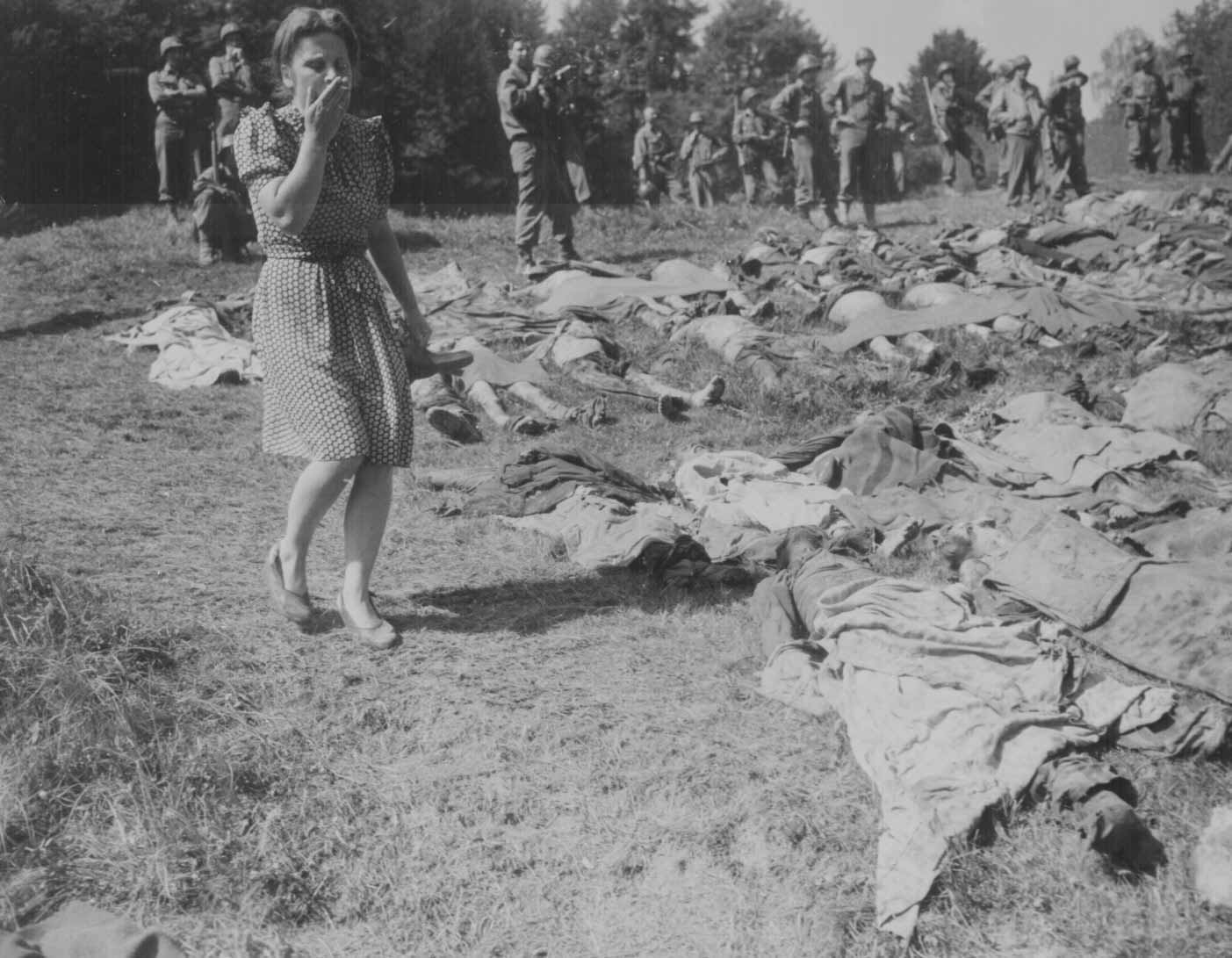
I was curious about the stand that the Allies took on the rescue of Holocaust victims. I was not surprised to find that the Allies, including the USA, took a stand of utter apathy and turned a blind-eye to what was probably the darkest hour ever, of humanity.
Also read:
An intellectual disease on India Uncut
U.S. government, England knew about Holocaust on Standard-Examiner
Churchill and the Holocaust Add to:del.icio.us| Digg| Reddit| StumbleUpon| Technorati
Rescue was not a priority for the United States government. Nor was it always clear to Allied policy makers how they could pursue large-scale rescue actions behind German lines. Due in part to antisemitism, isolationism, the Depression, and xenophobia, the refugee policy of the U.S. State Department (led by Secretary of State Cordell Hull) made it difficult for refugees to obtain entry visas.
The State Department also delayed publicizing reports of genocide. In August 1942, the State Department received a cable confirming Nazi plans for the murder of Europe's Jews. The report, sent by Gerhart Riegner (the representative in Geneva of the World Jewish Congress), was not passed on. The State Department asked American Rabbi Stephen Wise, who also received the report, to refrain from announcing it. Reports of Nazi atrocities often were not publicized in full by the American press. In 1943, Polish courier Jan Karski informed President Franklin D. Roosevelt of reports of mass murder received from Jewish leaders in the Warsaw ghetto. No immediate executive action was taken.
On April 19, 1943, U.S. and British representatives met in Bermuda to find solutions to wartime refugee problems. No significant proposals were considered at the Bermuda Conference. In January 1944 Roosevelt established the War Refugee Board in the Treasury Department to facilitate the rescue of imperiled refugees. Fort Ontario, in New York, began to serve as an ostensibly free port for refugees. Refugees brought to Fort Ontario, however, were not from Nazi-occupied areas, but rather from liberated zones.
By the spring of 1944, the Allies knew of the gassings at Auschwitz-Birkenau. Jewish leaders pleaded unsuccessfully with the U.S. government to bomb the gas chambers and railways leading to the camp. From August 20 to September 13, 1944, the U.S. Air Force bombed the Auschwitz-Monowitz industrial complex, less than five miles from the gas chambers in Birkenau. However, the U.S. maintained its policy of non-involvement in rescue, and bombed neither the gas chambers nor the railways used to transport prisoners.
[Source: Holocaust Encyclopedia] [Image source: http://www.jewishvirtuallibrary.org/]
Also read:
An intellectual disease on India Uncut
U.S. government, England knew about Holocaust on Standard-Examiner
Churchill and the Holocaust Add to:del.icio.us| Digg| Reddit| StumbleUpon| Technorati

0 Comments:
Post a Comment
Links to this post:
Create a Link
<< Home